
What Age Is Best for a Child’s First Orthodontic Visit? Expert Insights
Every parent dreams of their child’s perfect smile. For orthodontic care, early timing is key. Most parents think to wait until all permanent teeth come in, around age 12 or 13. But the American Association of Orthodontists recommends a first visit by age 7. This early check-up can drastically change a child’s orthodontics treatment.
At Villa Orthodontics, we’ve seen how early evaluation leads to better results. Catching issues when children have both baby and permanent teeth can stop small problems from becoming big ones. This guide will explain why this first visit is so important, what to expect, and how early care can benefit your child’s smile for life.
Why Early Orthodontic Evaluation Matters
Early orthodontic evaluations play a critical role in identifying potential dental problems before they escalate. By age 7, a child’s mouth has grown enough to allow orthodontists to spot issues like misaligned bites, overcrowding, and jaw growth concerns. Addressing these issues early can simplify future treatments, often reducing the need for more invasive procedures later in life. Additionally, early evaluations help guide the growth of a child’s jaw and teeth, creating adequate space for permanent teeth to erupt properly. This proactive approach not only improves oral health but also boosts a child’s confidence in their smile during their formative years.
The Ideal Age for First Orthodontic Visits
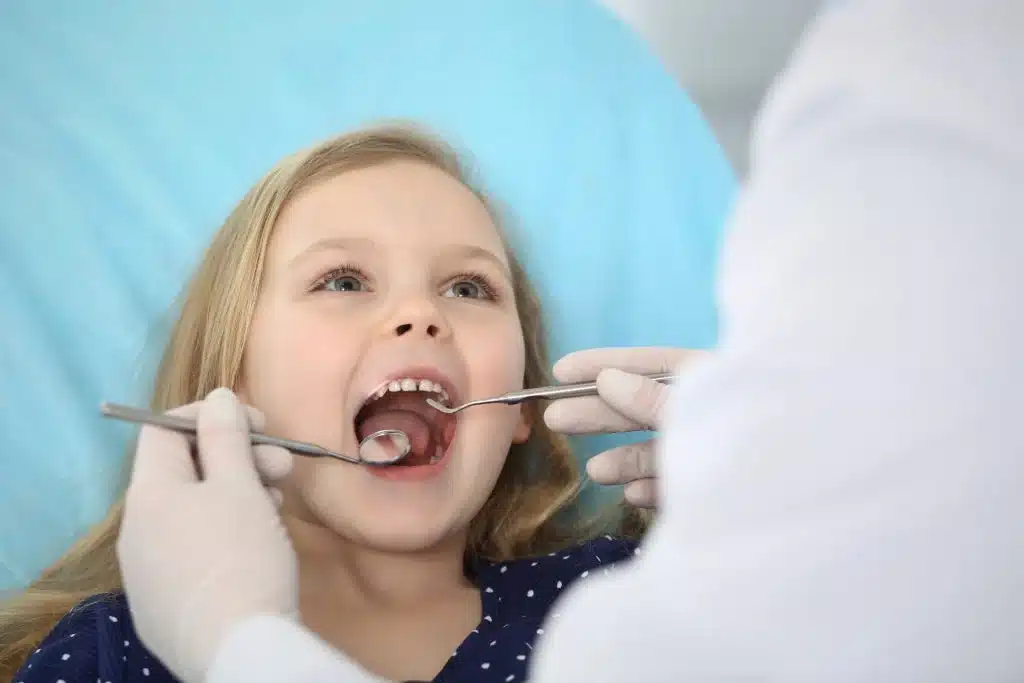
The American Association of Orthodontists recommends that children have their first orthodontic evaluation by the age of seven. At this age, a child’s mouth is still developing, and their mix of baby and permanent teeth allows orthodontists to detect potential issues that may not be visible later. Early examinations help address concerns like crossbites, crowding, and uneven jaw growth while guiding the positioning of emerging teeth. Even if no immediate treatment is needed, this initial visit establishes a foundation for monitoring future developments, ensuring the best outcomes for a healthy and confident smile.
Villa Orthodontics emphasizes that early evaluation doesn’t necessarily mean early treatment. Many children evaluated at age 7 are simply monitored until the optimal treatment time arrives.
What to Expect During the First Orthodontic Visit
The first orthodontic visit is both informative and tailored to make patients and their families feel comfortable. During this appointment, a thorough evaluation will be conducted to assess the alignment of the teeth, bite, and jaw. This typically involves taking X-rays, photographs, and impressions or digital scans to get a comprehensive view of the patient’s orthodontic needs. The orthodontist will discuss these findings, present potential treatment options if necessary, and answer any questions about the process. This visit is also an opportunity to learn about the timeline, costs, and expected outcomes of treatment. By the end of the appointment, patients and their families will have a clear understanding of their orthodontic health and the next steps forward.
Common Orthodontic Issues in Children
Understanding common orthodontic problems helps parents recognize when professional evaluation might be beneficial. These issues often develop gradually and may not be immediately apparent to untrained observers.
Crowdingrepresents the most frequent orthodontic concern in children. As permanent teeth erupt, they may not have adequate space to align properly, resulting in dental overlapping or rotated teeth. Crowding can occur in the front teeth (incisors) or back teeth (molars) and often worsens as more permanent teeth emerge.
Genetic factors heavily influence crowding, particularly tooth size and jaw size inheritance patterns. Children who inherit large teeth from one parent and small jaws from another are particularly susceptible to crowding issues.
Spacing problemspresent the opposite concern, where gaps exist between teeth. While some spacing is normal during mixed dentition, excessive spacing can indicate missing teeth, unusually small teeth, or habits like thumb sucking that push teeth apart.
Bite irregularitiesencompass several distinct problems:
- Overbite: Upper front teeth overlap lower front teeth excessively
- Underbite: Lower front teeth protrude beyond upper front teeth
- Crossbite: Upper teeth bite inside lower teeth instead of outside
- Open bite: Front teeth don’t touch when back teeth are together
Each bite problem has different causes and treatment approaches. Overbites often result from thumb sucking or genetic factors, while underbites typically indicate jaw growth discrepancies.
Impacted teethoccur when permanent teeth cannot erupt properly due to lack of space or unusual positioning. Canine teeth (eyeteeth) are particularly prone to impaction, often requiring early intervention to guide them into proper position.
Ectopic eruptiondescribes teeth that emerge in unusual locations. First permanent molars sometimes erupt against primary molars, potentially causing premature loss of baby teeth and subsequent space loss.
Villa Orthodontics has extensive experience treating all these conditions, often intercepting problems early to minimize treatment complexity and duration.
Benefits of Early Orthodontic Treatment
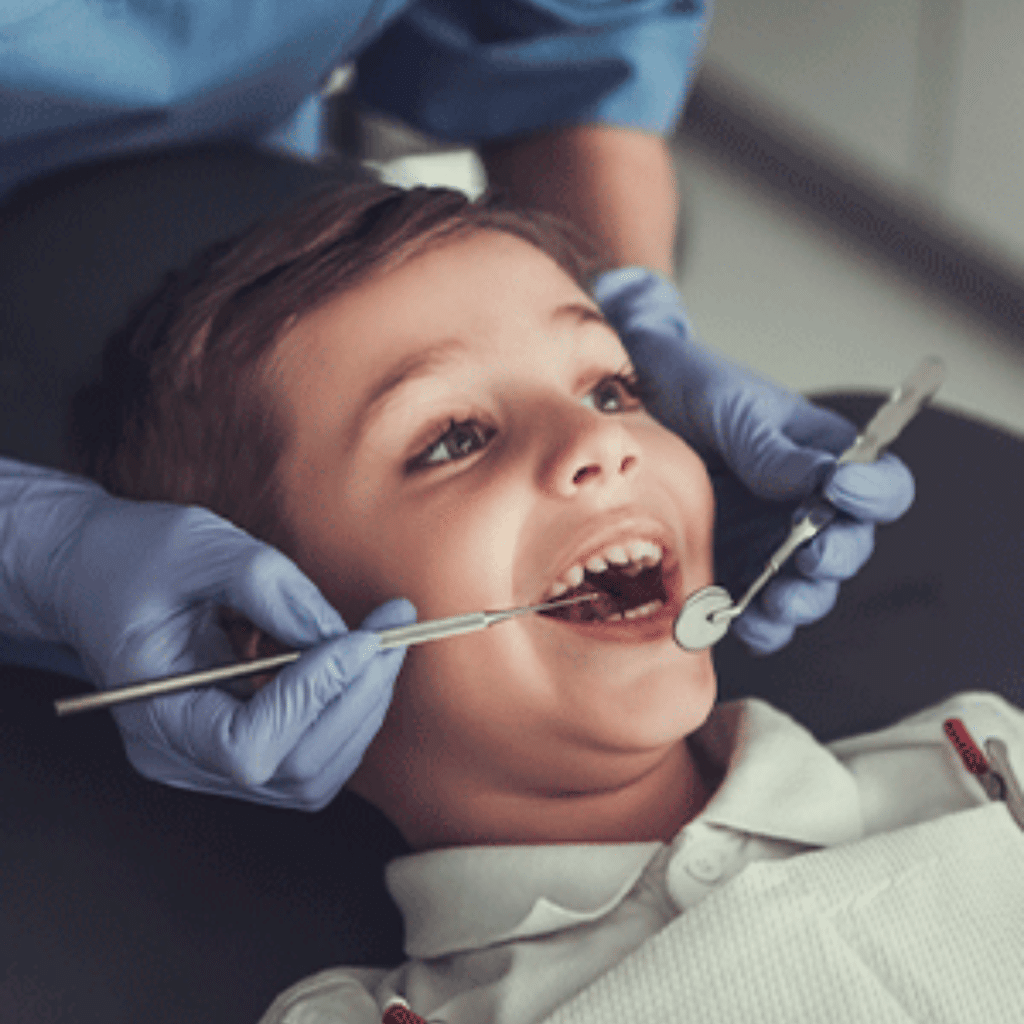
Early orthodontic treatment intervention, when appropriately timed, offers numerous advantages over delayed treatment approaches. These benefits extend beyond simple tooth alignment to encompass overall oral health and psychological well-being.
Reduced treatment complexityrepresents perhaps the most significant advantage. By addressing problems during active growth periods, orthodontists can often achieve results that would require more invasive procedures if delayed.
Shorter overall treatment timeoften results from early intervention. While early treatment may extend the total time a child is under orthodontic care, the active treatment phases are typically shorter and less intensive. Phase I treatment (early interceptive treatment) usually lasts 12-18 months, followed by a rest period, then Phase II treatment lasting 12-24 months. This compares favorably to single-phase treatment that might require 3-4 years of continuous active treatment.
Prevention of dental traumabecomes particularly relevant for children with protruding front teeth. Statistics show that children with excessive overjet (protruding front teeth) are 2-3 times more likely to experience dental trauma during sports or playground activities. Early correction can significantly reduce this risk.
Improved self-esteemshouldn’t be underestimated as a benefit of early treatment. Children as young as 6 or 7 can become self-conscious about their teeth, affecting their willingness to smile, speak in class, or interact socially. Addressing obvious problems early can boost confidence during crucial developmental years.
Enhanced oral hygieneoften results from early orthodontic intervention. Severely crowded or malpositioned teeth are difficult to clean effectively, increasing risk of decay and gum disease. By improving alignment early, children can maintain better oral hygiene throughout their teenage years.
Airway improvementrepresents an increasingly recognized benefit of early orthodontic treatment. Narrow upper jaws often contribute to restricted nasal breathing, leading to mouth breathing habits that affect sleep quality, facial development, and overall health. Palatal expansion can significantly improve airway function in appropriate cases.
At Villa Orthodontics, we’ve documented cases where early intervention prevented the need for permanent tooth extraction, orthognathic surgery, and extensive restorative treatment—outcomes that significantly impact both treatment complexity and cost.
Villa Orthodontics: Your Partner in Early Orthodontic Care
Villa Orthodontics has built a reputation for excellence in early orthodontic intervention, combining cutting-edge technology with personalized care approaches that put children and families at ease.
Our practice philosophy centers on preventive orthodontics—identifying and addressing problems before they require complex treatment. Dr. Villa and the team use advanced diagnostic tools including 3D imaging and digital treatment planning to develop precise, individualized treatment strategies for each child.
Comprehensive evaluation servicesat Villa Orthodontics include detailed growth assessment, bite analysis, and airway evaluation. We recognize that orthodontic problems rarely exist in isolation and take a holistic approach to treatment planning that considers overall facial development and function.
Our interceptive treatment optionsinclude:
- Palatal expansion to address narrow upper jaws
- Space maintenance to preserve room for permanent teeth
- Habit cessation appliances for thumb sucking or tongue thrusting
- Functional appliances to guide jaw growth
- Limited braces to address specific alignment problems
Technology integrationat Villa Orthodontics includes digital impressions that eliminate messy traditional impressions, advanced imaging systems for precise diagnosis, and treatment monitoring software that tracks progress throughout treatment.
We also offer flexible scheduling optionsto accommodate busy family schedules, including early morning and after-school appointment times. Our kid-friendly office environment helps children feel comfortable and excited about their orthodontic care.
Preparing Your Child for Their First Orthodontic Visit
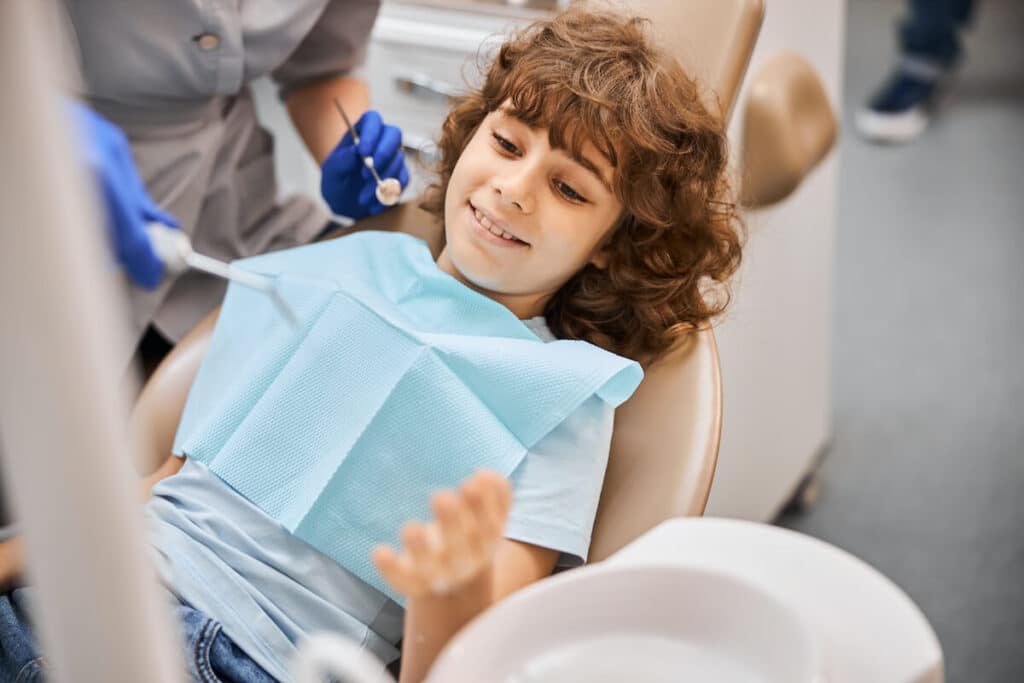
Proper preparation can transform the first orthodontic visit from an anxious experience into an exciting milestone. Parents play a crucial role in setting positive expectations and helping children feel comfortable with the process.
- Use positive languagewhen discussing the upcoming visit. Instead of saying “The doctor needs to check for problems with your teeth,” try “We’re going to meet a special doctor who helps children have beautiful, healthy smiles.” Frame the visit as an opportunity rather than a necessity born from problems.
- Read age-appropriate booksabout orthodontics or dental visits. Many children’s books feature characters getting braces or visiting orthodontists, helping normalize the experience and answer common questions children might have.
- Role-play the visitat home using positive scenarios. You can pretend to be the orthodontist examining your child’s teeth, explaining each step in simple terms. This familiarity reduces anxiety about unknown procedures.
- Schedule the appointment strategically. Choose a time when your child is typically well-rested and cooperative. Avoid scheduling immediately after school when children might be tired or hungry.
- Plan a small rewardfor after the visit—not contingent on behavior, but simply to mark the milestone. This could be a special lunch, a trip to the park, or a small toy. Avoid using food rewards, particularly sugary treats that conflict with oral health messages.
Address common concernschildren might have:
- “Will it hurt?” Explain that the examination is completely comfortable—no shots, drilling, or pain involved.
- “What will they do?” Describe the examination process: looking at teeth, taking pictures, possibly taking X-rays.
- “Will I get braces today?” Reassure them that the first visit is just for looking and learning.
Bring comfort itemsif your child has a favorite stuffed animal or blanket that provides security. Most orthodontic offices welcome comfort items that help children feel secure.
Arrive earlyto allow time for your child to adjust to the new environment. Many practices have waiting areas designed for children with books, toys, or games that can help ease transition anxiety.
Stay calm yourself. Children pick up on parental anxiety, so maintaining a positive, relaxed demeanor helps keep your child comfortable.
Villa Orthodontics provides parents with a preparation checklist and welcomes questions about what to expect during the first visit. Our team is experienced in working with anxious children and has numerous strategies for ensuring positive experiences.
Setting the Foundation for Lifelong Oral Health
Early orthodontic evaluations are crucial for setting the stage for lifelong oral health and confident smiles. By age 7, children have a prime opportunity to address developmental issues before they become more complex. Timely care leads to shorter treatments, simpler procedures, and better long-term outcomes compared to waiting until adolescence.
At Villa Orthodontics, we specialize in early evaluations with advanced diagnostics and gentle, child-friendly treatments, ensuring a positive experience for both kids and parents. Don’t wait for visible issues or permanent teeth to fully emerge—schedule your child’s first orthodontic evaluation today to secure the foundation for a healthy, beautiful smile. Contact Villa Orthodontics to get started!
https://www.google.com/maps?cid=10799094335138242310

 (804) 747-0137