
Retainers vs. Permanent Retainers: What’s Best After Braces?
Congratulations! You’ve completed your orthodontic treatment and your braces are finally off. Your teeth look amazing, and you’re ready to show off that perfect smile. But before you celebrate too much, there’s one crucial step remaining: choosing the right retainer to maintain your new smile.
The retention phase is just as important as the active treatment phase with braces. Without proper retention, your teeth can gradually shift back toward their original positions, undoing months or years of orthodontic work. This process, called relapse, can happen surprisingly quickly—sometimes within just a few weeks of not wearing your retainer.
When it comes to dental retainers, you have two main options: traditional removable retainers and permanent (bonded) retainers. Each type has distinct advantages and drawbacks that can significantly impact your daily routine, oral hygiene habits, and long-term results. Understanding these differences will help you make an informed decision that aligns with your lifestyle and orthodontic needs.
What is a Retainer?
A traditional retainer is a removable orthodontic appliance designed to hold your teeth in their new positions after braces treatment. These devices are custom-made to fit your mouth precisely and maintain the alignment achieved during your orthodontic treatment.
There are several types of removable retainers available today. The most common is the Hawley retainer, which features a wire that runs across the front of your teeth, held in place by an acrylic base that sits against the roof of your mouth or along your lower gums. This classic design has been used successfully for decades and remains popular due to its durability and adjustability.
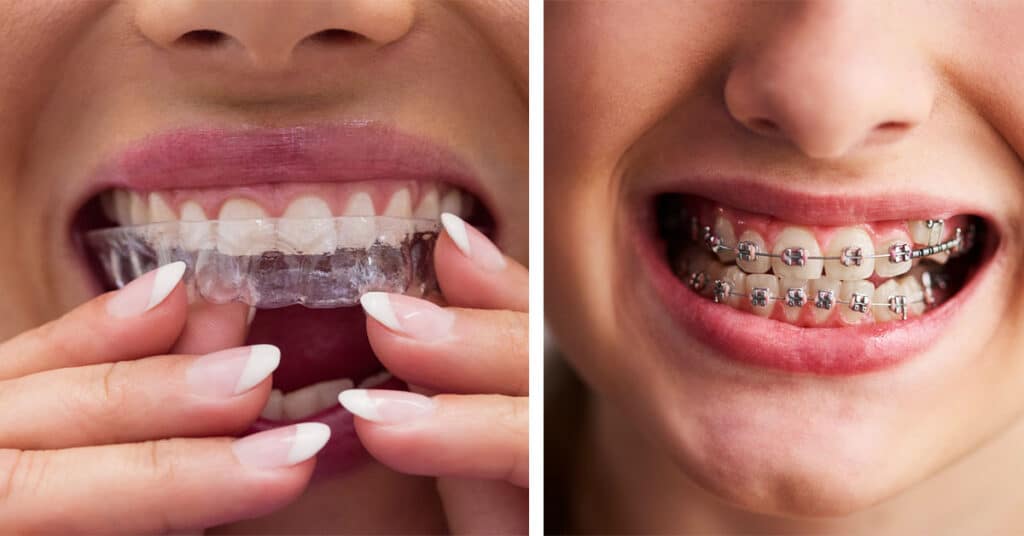
Clear plastic retainers, also known as Essix retainers, have gained popularity in recent years. These transparent trays look similar to Invisalign aligners and fit snugly over your teeth. They’re virtually invisible when worn, making them an attractive option for people concerned about aesthetics.
Some orthodontists also use spring retainers, which incorporate small springs to make minor adjustments to tooth positioning while maintaining overall alignment. These are less common but can be useful in specific situations where small corrections are needed during the retention phase.

What is a Permanent Retainer?
A permanent retainer, also called a bonded or fixed retainer, is a thin wire that’s cemented to the back surfaces of your teeth, typically on the lower front teeth or upper front teeth. Unlike removable retainers, permanent retainers stay in your mouth 24/7 and can’t be taken out by the patient.
The wire used in permanent retainers is usually made of stainless steel or a gold-colored alloy. It’s carefully shaped to follow the contours of your teeth and bonded in place using dental composite material, similar to what’s used for tooth-colored fillings. The bonding process is quick and painless, typically taking about 30 minutes to complete.
Permanent retainers are most commonly placed on the lower front six teeth (canine to canine) because this area is particularly prone to relapse after orthodontic treatment. The lower front teeth have a natural tendency to crowd together over time, even in people who never had dental braces. Some orthodontists also place permanent retainers on the upper front teeth, especially if there were significant spacing issues or rotations that needed correction.
At Villa Orthodontics, the team carefully evaluates each patient’s specific needs to determine whether a permanent retainer is the best option for maintaining their beautiful new smile.
Pros and Cons of Removable Retainers
Removable retainers offer several significant advantages. First and foremost, they’re much easier to maintain proper oral hygiene with. You can take them out to brush and floss normally, ensuring you can clean every surface of your teeth without obstruction. This is particularly important for preventing cavities and gum disease during the retention phase.
Removable retainers are also more comfortable for many patients. You can take them out when eating, so there are no dietary restrictions. You can remove them for special occasions, sports activities, or when playing wind instruments. Most patients adapt quickly to wearing removable retainers.
However, removable retainers come with notable drawbacks. The biggest challenge is compliance. Since the retainer can be removed, it’s easy to forget to wear it or to gradually reduce wearing time. This lack of consistent wear is the primary reason for orthodontic relapse. Studies show that patients who don’t consistently wear their removable retainers are much more likely to experience tooth movement.
Removable retainers are also easy to lose or damage. They can be accidentally thrown away with lunch trash, damaged by pets, or broken if dropped. Replacement costs can add up over time, and there’s always the risk of teeth shifting while waiting for a new retainer to be made.
Pros and Cons of Permanent Retainers
The most significant advantage of permanent retainers is that they work 24/7 without requiring any patient compliance. Since they can’t be removed, there’s no risk of forgetting to wear them or gradually reducing use. This makes them an excellent choice for patients who are concerned about their ability to maintain the discipline required for consistent retainer wear.
Permanent retainers provide continuous protection against relapse, which can be particularly important for certain types of orthodontic corrections. They’re especially effective for maintaining corrections in the lower front teeth, which are highly prone to shifting over time.
The drawbacks of permanent retainers include the challenge they present for oral hygiene. Since the wire sits directly against the back of your teeth, flossing requires using a floss threader or water flosser to get the floss under the wire. This extra step can be time-consuming and is often neglected, increasing the risk of tartar buildup, gum disease, and cavities around the bonded wire.
Permanent retainers can also break or come loose over time. When this happens, it’s important to contact your orthodontist promptly, as tooth movement can occur quickly after the retainer fails. Repair visits add to the overall cost of permanent retainers.
Retainers vs. Permanent Retainers: Side-by-Side Comparison
Here’s a quick overview to help you decide:
| Feature | Removable Retainer | Permanent Retainer |
|---|---|---|
| Compliance required | Yes — must be worn 20–22 hrs/day | No — always in place |
| Visibility | Nearly invisible (Essix) or slightly visible (Hawley) | Hidden behind teeth |
| Oral hygiene | Easy — remove to brush & floss | Requires floss threader or water flosser |
| Dietary restrictions | None — remove when eating | Avoid very hard/sticky foods |
| Durability | 1–10 years with care; can be lost/broken | 10–20 years if properly maintained |
| Initial cost (Glen Allen, VA) | $150–$500 per arch | $250–$500 per arch |
| Best for | Patients with good compliance habits | Patients who struggle with consistency |
What Does a Retainer Cost in Glen Allen, VA?
The cost of retainers varies depending on the type and your provider. In the Richmond/Glen Allen area, here’s what patients typically pay in 2025–2026:
- Hawley (wire) retainer: $150–$300 per arch
- Essix (clear) retainer: $100–$250 per arch
- Permanent (bonded) retainer: $250–$500 per arch
At Villa Orthodontics in Glen Allen, retainer fabrication and fitting is included as part of your overall treatment plan. We also offer replacement retainers if yours is lost or damaged. Contact our front desk for current pricing.
Which Option is Best for You?
The best retainer choice depends on several factors, including your specific orthodontic correction, lifestyle, and personal preferences. Here are some guidelines to help you and your orthodontist make this decision together.
A removable retainer might be the best choice if you have excellent oral hygiene habits and are disciplined about wearing your retainer as directed. If you participate in contact sports or play wind instruments, a removable retainer offers more flexibility. People who had primarily upper teeth corrections or bite issues often do well with removable options.
A permanent retainer might be better if you’ve had significant crowding in your lower front teeth corrected, have a history of tooth movement, or are concerned about your ability to wear a removable retainer consistently. If you’re highly motivated about oral hygiene and willing to learn proper flossing techniques with a retainer wire, a permanent option provides peace of mind.
Since permanent retainers can’t be seen when you smile, they’re perfect for professional settings or social situations where you prefer not to have any visible orthodontic appliances.
Some patients choose a combination approach, using a permanent retainer on the lower front teeth (where relapse is most common) and a removable retainer for the upper teeth or for nighttime wear. This hybrid approach can provide the benefits of both types while minimizing some of the drawbacks.
Retainers vs. Permanent Retainers Service ProvidersProper Care and Maintenance
Maintaining removable retainers requires establishing a consistent daily routine. Always remove your retainer before eating and store it in its protective case to prevent loss or damage. Never wrap it in napkins or tissues, as this is a common way retainers end up in the trash. Clean your removable retainer daily using a soft toothbrush and mild soap. Avoid hot water, which can warp the plastic material of clear retainers. Never use toothpaste, as it can scratch the retainer surface and create areas where bacteria can accumulate.
For permanent retainers, the key is developing an effective flossing routine. Floss threaders allow you to guide dental floss under the wire and between each pair of teeth. Water flossers are another excellent option that many patients find easier to use consistently. Plan to spend a few extra minutes on oral hygiene each day. Regular dental cleanings are especially important when you have a permanent retainer, as your hygienist can remove any tartar buildup around the wire that you can’t reach with home care.
Protecting Your Investment for Life
Whether you choose a removable or permanent retainer, your commitment to wearing or maintaining it properly is what will determine the long-term success of your orthodontic treatment. Braces or Invisalign treatment in Glen Allen, VA represent a significant investment of both time and money. Retainers are what protect that investment for life.
Remember that tooth movement is a lifelong process. Even if you wore your retainer perfectly for years, some natural shifting can still occur as you age. This is why many orthodontists, including the team at Villa Orthodontics, recommend wearing a removable retainer at least a few nights per week indefinitely, even if you also have a permanent retainer.
If you notice your retainer feeling tight, it may mean some tooth movement has occurred. Contact your orthodontist promptly—slight shifts can often be corrected quickly, but waiting too long can make the problem much harder to address without additional treatment.
Frequently Asked Questions About Retainers
How long do I have to wear a retainer after braces?
Most orthodontists recommend wearing a removable retainer full-time (20–22 hours per day) for the first 6–12 months after braces come off. After that, nightly wear is typically sufficient. Permanent retainers stay in indefinitely unless a problem develops.
Can I switch from a permanent retainer to a removable one?
Yes, a permanent retainer can be removed by your orthodontist if it’s no longer needed or causes problems. However, you’ll need to transition to a removable retainer immediately to prevent tooth shifting.
What happens if I stop wearing my retainer?
Your teeth will begin to shift back toward their pre-treatment positions. The speed of movement varies by person, but lower front teeth in particular can show noticeable crowding within months of not wearing a retainer consistently.
Does a permanent retainer affect eating?
You should avoid very hard or sticky foods that could bend or break the wire, such as hard candy, caramel, or chewing ice. Otherwise, most foods are fine. Unlike removable retainers, you don’t have to take it out before eating.
Can I get a retainer at Villa Orthodontics in Glen Allen?
Yes! Dr. Richard Villa and the team at Villa Orthodontics serve patients in Glen Allen, Richmond, and the surrounding Richmond metro area. If you need a replacement retainer or are finishing up braces or Invisalign treatment, contact us to schedule a consultation.
Related Orthodontic Services in Richmond & Glen Allen, VA
Protecting your smile after orthodontic treatment is important wherever you received your care. If you are looking for orthodontic services in the Richmond metro area, Villa Orthodontics offers:
- Richmond braces — metal and ceramic braces for teens and adults
- Invisalign near Richmond, VA — clear aligner treatment near you
- Invisalign in Glen Allen — convenient for North Richmond patients
- Meet Dr. Richard Villa — experienced board-certified orthodontist



 (804) 747-0137