Understanding Orthodontic Treatments
Orthodontic treatments are designed to correct misaligned teeth and jaws, improving both function and aesthetics. Common options include braces, clear aligners, and retainers, each tailored to meet individual patient needs.
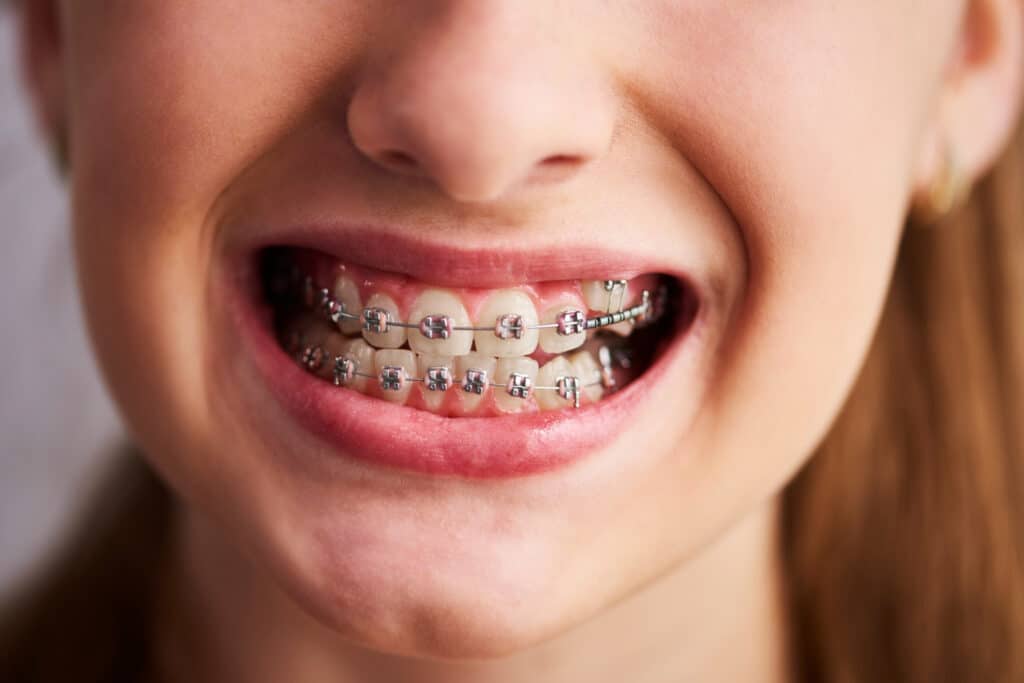
For example, traditional metal braces are often used for more complex cases, while clear aligners, like Invisalign, offer a discreet alternative for those seeking a less noticeable option. Consulting with an orthodontist can help determine the best treatment plan based on specific dental conditions.
Benefits of Early Orthodontic Intervention
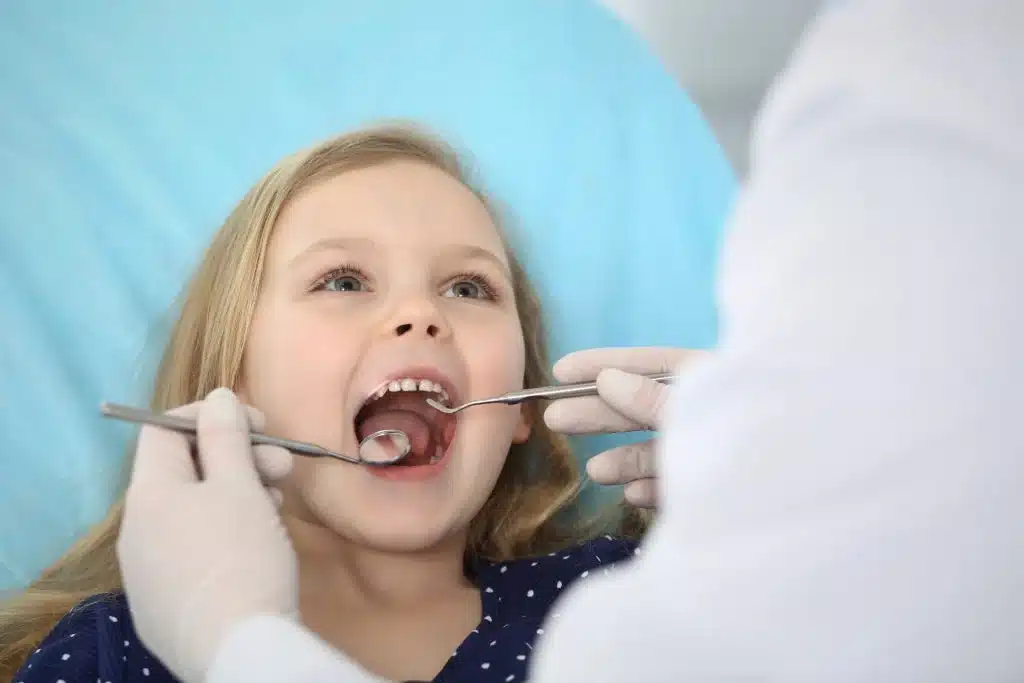
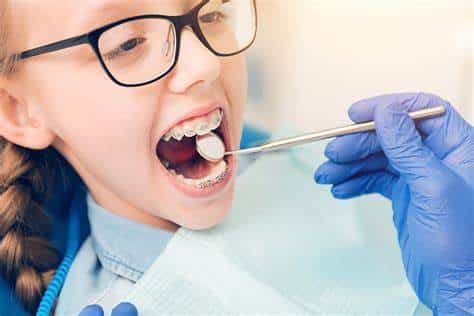
Early orthodontic intervention can significantly enhance a child's dental health and overall well-being. By addressing issues such as overcrowding or bite problems at a young age, parents can prevent more severe complications later on.
Research indicates that starting treatment around age 7 allows orthodontists to monitor growth patterns and make timely adjustments. This proactive approach can lead to shorter treatment times and improved outcomes, ultimately saving families time and money.
Tips for Choosing an Orthodontist
Selecting the right orthodontist is crucial for achieving the best results. Patients should consider factors such as the orthodontist's experience, treatment options offered, and patient reviews when making their choice.
Moreover, visiting the practice for an initial consultation can provide insight into the office environment and staff demeanor. A comfortable and welcoming atmosphere can greatly enhance the overall treatment experience.
Post-Treatment Care for Orthodontic Patients
Proper post-treatment care is essential for maintaining the results of orthodontic work. Patients are often advised to wear retainers as directed to prevent teeth from shifting back to their original positions.
Additionally, regular dental check-ups and good oral hygiene practices, such as brushing and flossing, play a critical role in preserving a healthy smile after braces or aligners are removed. Following these guidelines can help ensure the longevity of orthodontic results.
Understanding Orthodontic Treatments
Orthodontic treatments are designed to correct misaligned teeth and jaws, improving both function and aesthetics. Common options include braces, clear aligners, and retainers, each tailored to meet individual patient needs.
For example, traditional metal braces are often used for more complex cases, while clear aligners, like Invisalign, offer a discreet alternative for those seeking a less noticeable option. Consulting with an orthodontist can help determine the best treatment plan based on specific dental conditions.
Benefits of Early Orthodontic Intervention
Early orthodontic intervention can significantly enhance a child's dental health and overall well-being. By addressing issues such as overcrowding or bite problems at a young age, parents can prevent more severe complications later on.
Research indicates that starting treatment around age 7 allows orthodontists to monitor growth patterns and make timely adjustments. This proactive approach can lead to shorter treatment times and improved outcomes, ultimately saving families time and money.
Tips for Choosing an Orthodontist
Selecting the right orthodontist is crucial for achieving the best results. Patients should consider factors such as the orthodontist's experience, treatment options offered, and patient reviews when making their choice.
Moreover, visiting the practice for an initial consultation can provide insight into the office environment and staff demeanor. A comfortable and welcoming atmosphere can greatly enhance the overall treatment experience.
Post-Treatment Care for Orthodontic Patients
Proper post-treatment care is essential for maintaining the results of orthodontic work. Patients are often advised to wear retainers as directed to prevent teeth from shifting back to their original positions.
Additionally, regular dental check-ups and good oral hygiene practices, such as brushing and flossing, play a critical role in preserving a healthy smile after braces or aligners are removed. Following these guidelines can help ensure the longevity of orthodontic results.



 (804) 747-0137