Understanding Different Types of Braces: Which One is Right for You?
Choosing the right type of braces is crucial for achieving the desired results in orthodontic treatment. There are several options available, including traditional metal braces, ceramic braces, and clear aligners, each catering to different needs and preferences. Understanding the pros and cons of each type can help you make an informed decision that aligns with your lifestyle and aesthetic preferences.
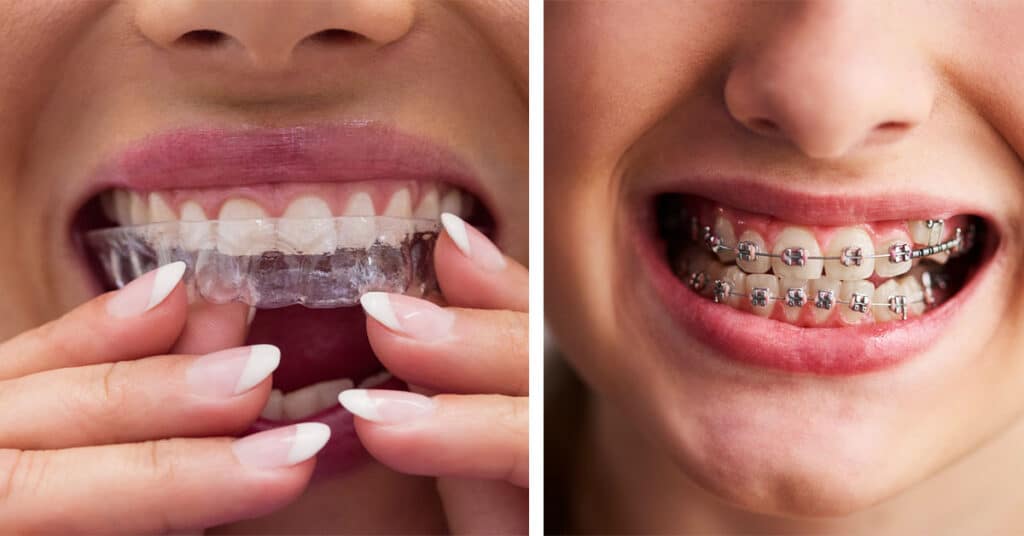
For instance, traditional metal braces are known for their effectiveness in treating complex alignment issues, while ceramic braces offer a more discreet appearance. Clear aligners, on the other hand, provide the flexibility of removable trays that can be taken out during meals or for brushing. Consulting with your orthodontist can help determine the best option based on your specific dental condition and personal goals.
Maintaining Oral Hygiene with Braces: Essential Tips
Maintaining oral hygiene is critical for anyone with braces, as food particles can easily get trapped, leading to plaque buildup and potential dental issues. It’s essential to adapt your oral care routine to ensure that your teeth and braces stay clean and healthy throughout your treatment. Regular brushing and flossing, along with the use of specialized cleaning tools, can make a significant difference.
Orthodontic toothbrushes, floss threaders, and interdental brushes are designed to navigate around braces effectively. Additionally, using mouthwash can help reduce plaque and keep your breath fresh. Your orthodontist can provide personalized recommendations and techniques to ensure that you maintain optimal oral hygiene during your orthodontic journey.
The Benefits of Retainers After Orthodontic Treatment
After completing orthodontic treatment, wearing a retainer is crucial for maintaining the new position of your teeth. Retainers help prevent teeth from shifting back to their original alignment, ensuring that the results of your treatment last for years to come. Understanding the importance of retainers can help you commit to this essential part of your orthodontic care.
There are various types of retainers, including fixed and removable options, each with its own benefits. Fixed retainers provide continuous support and are often placed behind the teeth, while removable retainers offer flexibility and ease of cleaning. Your orthodontist will guide you on which type is best suited for your situation and how long you should wear it to maintain your beautiful smile.
Common Misconceptions About Orthodontic Treatment
Many people hold misconceptions about orthodontic treatment that can lead to unnecessary anxiety or misinformation. Understanding the facts can help demystify the process and encourage individuals to seek necessary care. For example, a common myth is that orthodontic treatment is only for children and teenagers, when in fact, adults can also benefit greatly from braces or aligners.
Another misconception is that orthodontic treatment is purely cosmetic. While achieving a beautiful smile is a significant outcome, orthodontics also plays a vital role in improving oral health, function, and overall quality of life. By addressing issues such as misalignment, overcrowding, and bite problems, orthodontic treatment can lead to better oral hygiene and reduced risk of dental complications.
Understanding Different Types of Braces: Which One is Right for You?
Choosing the right type of braces is crucial for achieving the desired results in orthodontic treatment. There are several options available, including traditional metal braces, ceramic braces, and clear aligners, each catering to different needs and preferences. Understanding the pros and cons of each type can help you make an informed decision that aligns with your lifestyle and aesthetic preferences.
For instance, traditional metal braces are known for their effectiveness in treating complex alignment issues, while ceramic braces offer a more discreet appearance. Clear aligners, on the other hand, provide the flexibility of removable trays that can be taken out during meals or for brushing. Consulting with your orthodontist can help determine the best option based on your specific dental condition and personal goals.
Maintaining Oral Hygiene with Braces: Essential Tips
Maintaining oral hygiene is critical for anyone with braces, as food particles can easily get trapped, leading to plaque buildup and potential dental issues. It’s essential to adapt your oral care routine to ensure that your teeth and braces stay clean and healthy throughout your treatment. Regular brushing and flossing, along with the use of specialized cleaning tools, can make a significant difference.
Orthodontic toothbrushes, floss threaders, and interdental brushes are designed to navigate around braces effectively. Additionally, using mouthwash can help reduce plaque and keep your breath fresh. Your orthodontist can provide personalized recommendations and techniques to ensure that you maintain optimal oral hygiene during your orthodontic journey.
The Benefits of Retainers After Orthodontic Treatment
After completing orthodontic treatment, wearing a retainer is crucial for maintaining the new position of your teeth. Retainers help prevent teeth from shifting back to their original alignment, ensuring that the results of your treatment last for years to come. Understanding the importance of retainers can help you commit to this essential part of your orthodontic care.
There are various types of retainers, including fixed and removable options, each with its own benefits. Fixed retainers provide continuous support and are often placed behind the teeth, while removable retainers offer flexibility and ease of cleaning. Your orthodontist will guide you on which type is best suited for your situation and how long you should wear it to maintain your beautiful smile.
Common Misconceptions About Orthodontic Treatment
Many people hold misconceptions about orthodontic treatment that can lead to unnecessary anxiety or misinformation. Understanding the facts can help demystify the process and encourage individuals to seek necessary care. For example, a common myth is that orthodontic treatment is only for children and teenagers, when in fact, adults can also benefit greatly from braces or aligners.
Another misconception is that orthodontic treatment is purely cosmetic. While achieving a beautiful smile is a significant outcome, orthodontics also plays a vital role in improving oral health, function, and overall quality of life. By addressing issues such as misalignment, overcrowding, and bite problems, orthodontic treatment can lead to better oral hygiene and reduced risk of dental complications.





 (804) 747-0137