Understanding Different Types of Braces: Which is Right for You?
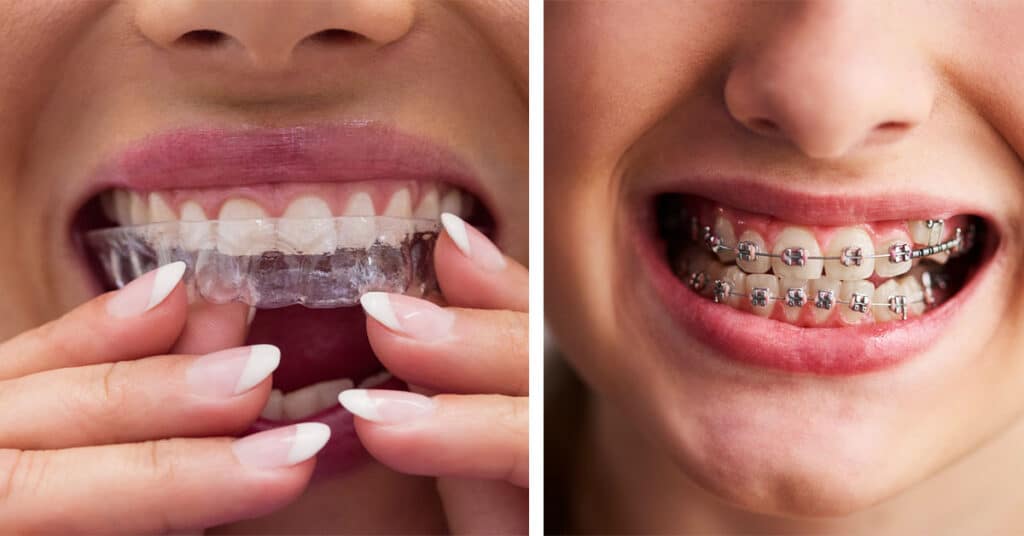
When considering orthodontic treatment, understanding the various types of braces available is crucial. Traditional metal braces, ceramic braces, lingual braces, and clear aligners each have unique benefits and drawbacks. This knowledge helps patients make informed decisions based on their lifestyle, aesthetic preferences, and dental needs.
For instance, metal braces are often the most effective for complex dental issues, while clear aligners provide a more discreet option for adults. Ceramic braces blend with the teeth for a less noticeable appearance, and lingual braces are placed on the back of the teeth, making them virtually invisible. Consulting with an orthodontist can help determine the best fit for your specific situation.
The Importance of Retainers After Orthodontic Treatment
After completing orthodontic treatment, many patients underestimate the importance of retainers. Retainers play a vital role in maintaining the new position of teeth and preventing them from shifting back to their original alignment. This phase is essential for ensuring the longevity of the results achieved through braces or aligners.
There are various types of retainers, including fixed and removable options. Fixed retainers are bonded to the back of the teeth for continuous support, while removable retainers can be taken out for eating and cleaning. Following the orthodontist’s recommendations regarding retainer wear is crucial for achieving lasting results.
Common Myths About Orthodontic Treatment Debunked
Orthodontic treatment is often surrounded by misconceptions that can deter individuals from seeking necessary care. Common myths include beliefs that braces are only for children or that they will cause significant pain. In reality, orthodontic treatment can be beneficial for people of all ages and advancements in technology have made the process more comfortable than ever.
Additionally, some think that braces are purely cosmetic, but they also play a critical role in improving oral health by correcting bite issues and aligning teeth. Understanding the truth behind these myths can encourage more individuals to pursue orthodontic options that enhance both their smile and overall dental health.
How to Maintain Oral Hygiene with Braces
Maintaining oral hygiene during orthodontic treatment is essential for preventing cavities and gum disease. Braces can trap food particles and make brushing and flossing more challenging, but with the right techniques and tools, patients can keep their mouths healthy throughout their treatment.
Using a soft-bristled toothbrush and fluoride toothpaste is recommended, along with special flossing devices designed for braces. Patients should also consider using an interdental brush to clean around brackets and wires. Regular visits to the orthodontist for adjustments and cleanings are equally important to ensure optimal oral health.
Understanding Different Types of Braces: Which is Right for You?
When considering orthodontic treatment, understanding the various types of braces available is crucial. Traditional metal braces, ceramic braces, lingual braces, and clear aligners each have unique benefits and drawbacks. This knowledge helps patients make informed decisions based on their lifestyle, aesthetic preferences, and dental needs.
For instance, metal braces are often the most effective for complex dental issues, while clear aligners provide a more discreet option for adults. Ceramic braces blend with the teeth for a less noticeable appearance, and lingual braces are placed on the back of the teeth, making them virtually invisible. Consulting with an orthodontist can help determine the best fit for your specific situation.
The Importance of Retainers After Orthodontic Treatment
After completing orthodontic treatment, many patients underestimate the importance of retainers. Retainers play a vital role in maintaining the new position of teeth and preventing them from shifting back to their original alignment. This phase is essential for ensuring the longevity of the results achieved through braces or aligners.
There are various types of retainers, including fixed and removable options. Fixed retainers are bonded to the back of the teeth for continuous support, while removable retainers can be taken out for eating and cleaning. Following the orthodontist’s recommendations regarding retainer wear is crucial for achieving lasting results.
Common Myths About Orthodontic Treatment Debunked
Orthodontic treatment is often surrounded by misconceptions that can deter individuals from seeking necessary care. Common myths include beliefs that braces are only for children or that they will cause significant pain. In reality, orthodontic treatment can be beneficial for people of all ages and advancements in technology have made the process more comfortable than ever.
Additionally, some think that braces are purely cosmetic, but they also play a critical role in improving oral health by correcting bite issues and aligning teeth. Understanding the truth behind these myths can encourage more individuals to pursue orthodontic options that enhance both their smile and overall dental health.
How to Maintain Oral Hygiene with Braces
Maintaining oral hygiene during orthodontic treatment is essential for preventing cavities and gum disease. Braces can trap food particles and make brushing and flossing more challenging, but with the right techniques and tools, patients can keep their mouths healthy throughout their treatment.
Using a soft-bristled toothbrush and fluoride toothpaste is recommended, along with special flossing devices designed for braces. Patients should also consider using an interdental brush to clean around brackets and wires. Regular visits to the orthodontist for adjustments and cleanings are equally important to ensure optimal oral health.





 (804) 747-0137