Understanding Different Types of Braces: Which One is Right for You?
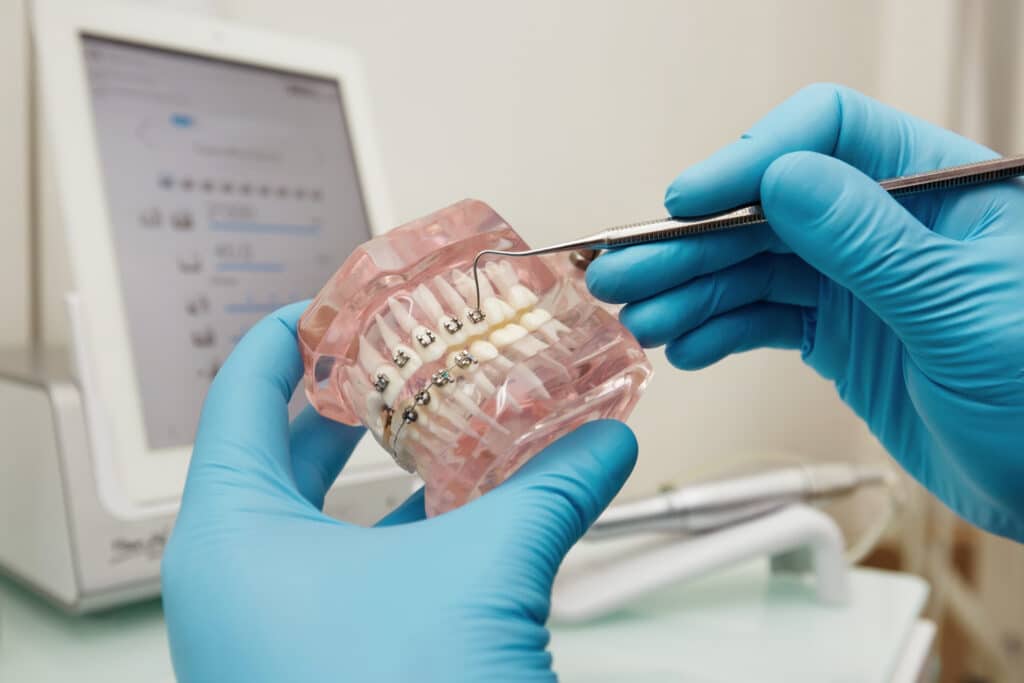
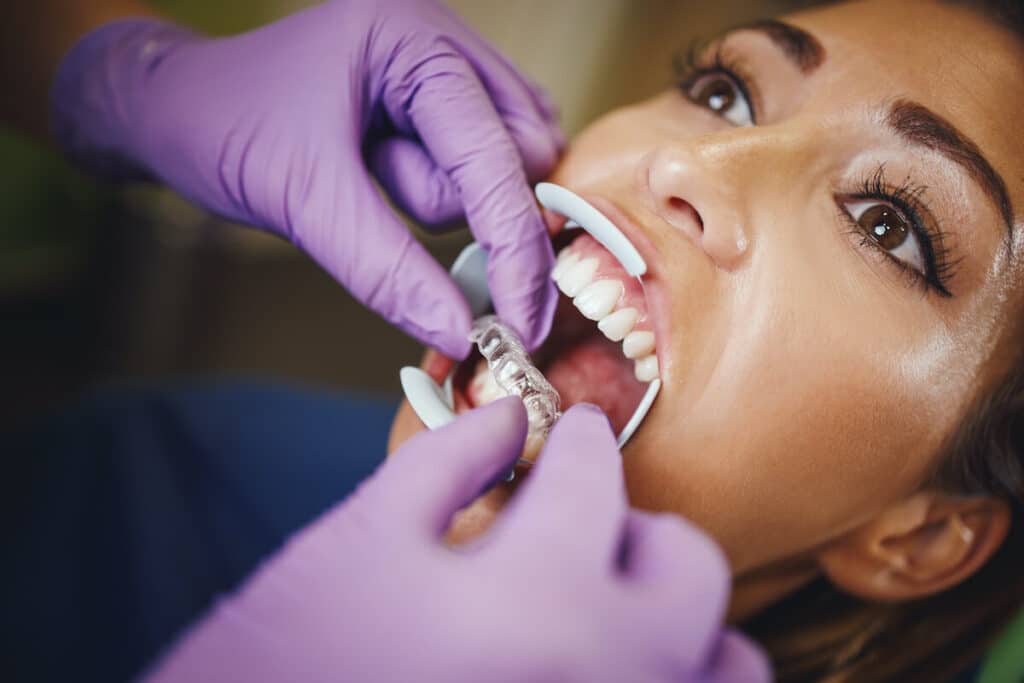
When considering orthodontic treatment, understanding the various types of braces available is crucial. Traditional metal braces, ceramic braces, lingual braces, and clear aligners each have their unique features and benefits, catering to different patient needs and preferences.
For instance, traditional metal braces are known for their effectiveness in correcting severe misalignments, while clear aligners offer a more discreet option for adults and teens. Understanding these differences can help patients make informed decisions about their orthodontic treatment.
Maintaining Oral Hygiene with Braces: Essential Tips
Maintaining oral hygiene while wearing braces is essential to prevent cavities and gum disease. Patients must adopt a more diligent oral care routine, which includes brushing after every meal and using special cleaning devices designed for braces.
Additionally, flossing becomes more challenging with braces, so utilizing orthodontic flossers or threaders can significantly help. Regular visits to the orthodontist for cleanings and adjustments are also crucial to keep the mouth healthy during treatment.
Post-Treatment Care: Retainers and Maintaining Your New Smile
After completing orthodontic treatment, wearing a retainer is vital to ensure that teeth remain in their new positions. Retainers help prevent teeth from shifting back to their original alignment, making them an essential part of post-treatment care.
Patients should follow their orthodontist's instructions on how long to wear their retainers daily. Regular follow-ups can help monitor the stability of the teeth and adjust the retainer usage as necessary for optimal results.
Common Myths About Orthodontics: Debunking Misconceptions
There are many myths surrounding orthodontics that can lead to misconceptions about treatment. One common myth is that orthodontic treatment is only for children and teens, whereas adults can also benefit significantly from orthodontic care.
Another misconception is that braces are only for cosmetic purposes; in reality, they play a crucial role in improving oral health by correcting bite issues that can lead to more severe dental problems. Understanding these myths can empower patients to seek the orthodontic treatment they need.
Understanding Different Types of Braces: Which One is Right for You?
When considering orthodontic treatment, understanding the various types of braces available is crucial. Traditional metal braces, ceramic braces, lingual braces, and clear aligners each have their unique features and benefits, catering to different patient needs and preferences.
For instance, traditional metal braces are known for their effectiveness in correcting severe misalignments, while clear aligners offer a more discreet option for adults and teens. Understanding these differences can help patients make informed decisions about their orthodontic treatment.
Maintaining Oral Hygiene with Braces: Essential Tips
Maintaining oral hygiene while wearing braces is essential to prevent cavities and gum disease. Patients must adopt a more diligent oral care routine, which includes brushing after every meal and using special cleaning devices designed for braces.
Additionally, flossing becomes more challenging with braces, so utilizing orthodontic flossers or threaders can significantly help. Regular visits to the orthodontist for cleanings and adjustments are also crucial to keep the mouth healthy during treatment.
Post-Treatment Care: Retainers and Maintaining Your New Smile
After completing orthodontic treatment, wearing a retainer is vital to ensure that teeth remain in their new positions. Retainers help prevent teeth from shifting back to their original alignment, making them an essential part of post-treatment care.
Patients should follow their orthodontist's instructions on how long to wear their retainers daily. Regular follow-ups can help monitor the stability of the teeth and adjust the retainer usage as necessary for optimal results.
Common Myths About Orthodontics: Debunking Misconceptions
There are many myths surrounding orthodontics that can lead to misconceptions about treatment. One common myth is that orthodontic treatment is only for children and teens, whereas adults can also benefit significantly from orthodontic care.
Another misconception is that braces are only for cosmetic purposes; in reality, they play a crucial role in improving oral health by correcting bite issues that can lead to more severe dental problems. Understanding these myths can empower patients to seek the orthodontic treatment they need.





 (804) 747-0137