Common Myths About Invisalign
Many potential patients may hesitate to consider Invisalign due to misconceptions surrounding the treatment. Common myths include the belief that Invisalign is only suitable for minor orthodontic issues or that it is significantly more expensive than traditional braces. In reality, Invisalign can effectively treat a wide range of dental problems, from minor spacing issues to more complex cases.
Understanding the facts about Invisalign can help patients make informed decisions. For instance, while some cases may require additional treatment, many patients find that Invisalign is a versatile and effective option for achieving their desired smile. Additionally, the cost of Invisalign can be comparable to traditional braces, especially when considering the benefits of comfort and aesthetics.
Invisalign Care and Maintenance Tips
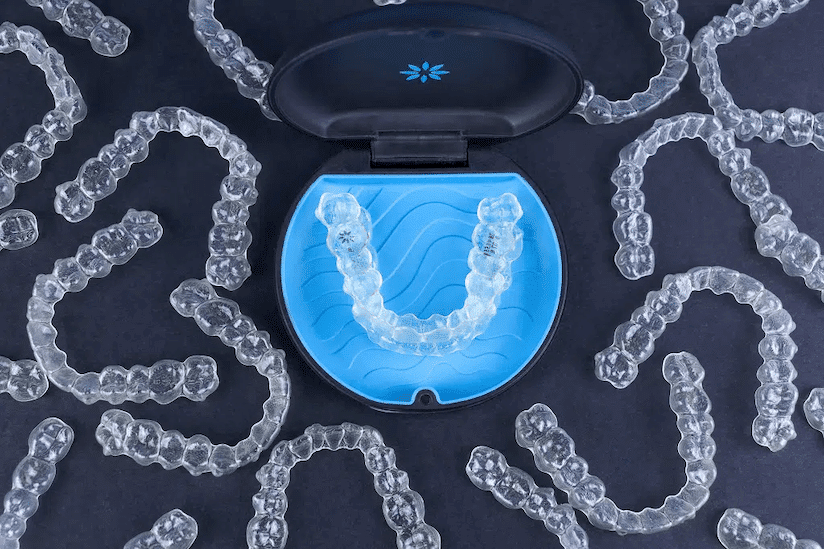
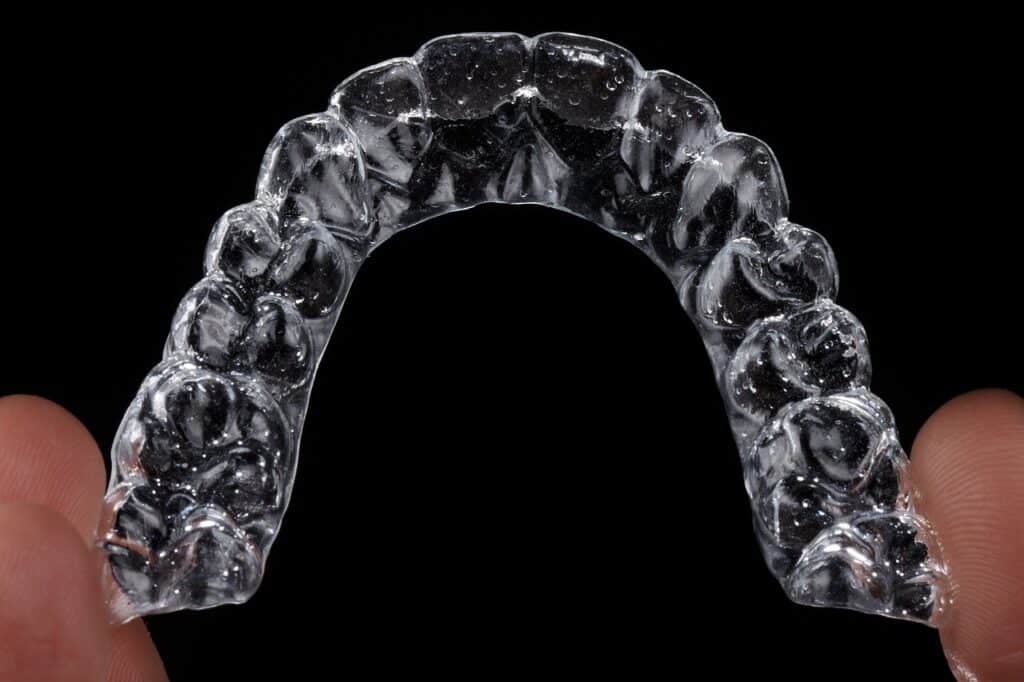
Proper care and maintenance of Invisalign aligners are crucial for ensuring the effectiveness of the treatment. Patients should clean their aligners regularly using a gentle soap and water solution to prevent discoloration and odor. It's also important to avoid consuming hot beverages while wearing the aligners, as heat can warp the plastic.
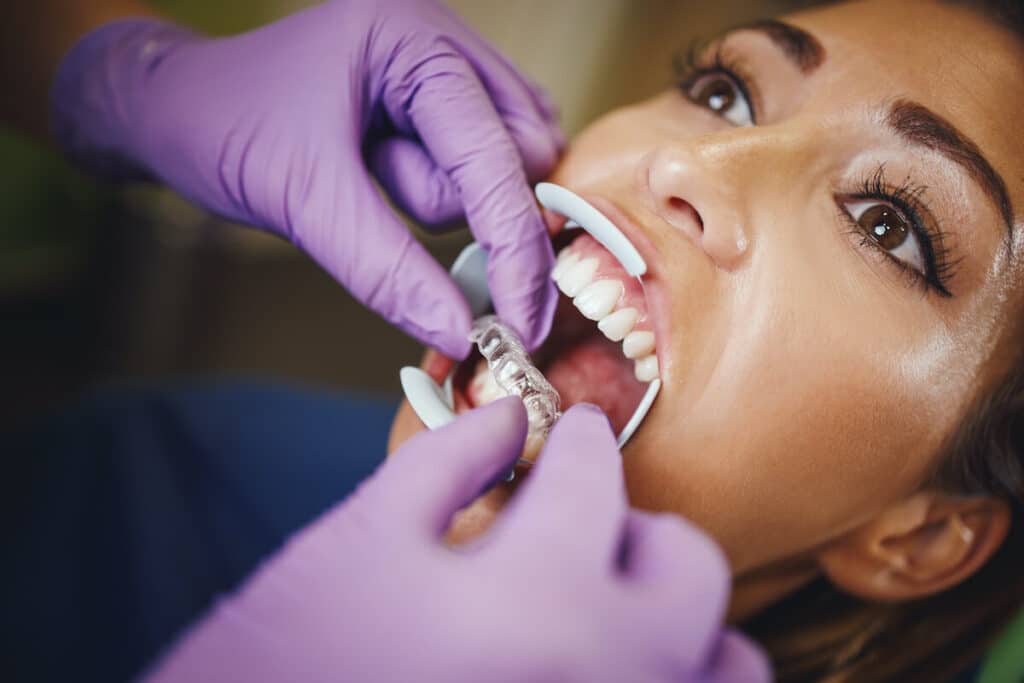
In addition to cleaning, patients should follow their orthodontist's recommendations regarding wear time and aligner changes. Keeping track of these details can help ensure that the treatment progresses as planned. Regular check-ins with the orthodontist can also provide valuable insights into the treatment's effectiveness and any necessary adjustments.
The Cost of Invisalign: What to Expect
Understanding the financial aspect of Invisalign treatment is essential for potential patients. The cost of Invisalign can vary based on several factors, including the complexity of the case, the length of treatment, and the location of the dental practice. On average, patients can expect to pay between $3,000 and $8,000 for their treatment.
Many dental practices offer flexible payment plans and financing options to make the treatment more accessible. Additionally, some insurance plans may cover a portion of the costs associated with Invisalign, making it a more affordable choice for those seeking orthodontic care.
Comparing Invisalign to Traditional Braces
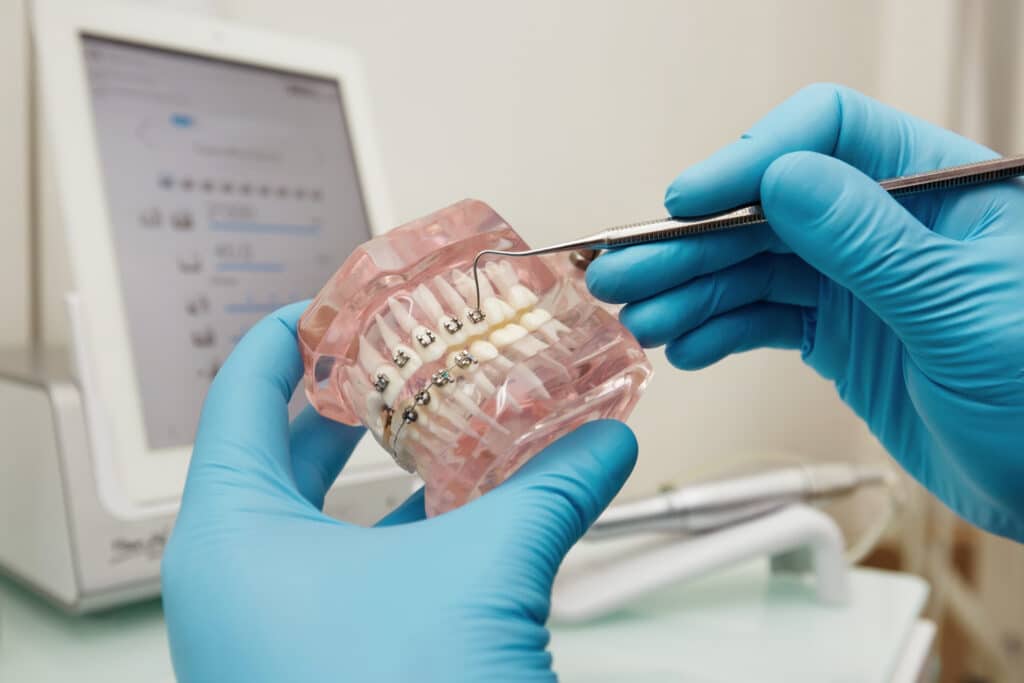
When considering orthodontic treatment, patients often find themselves weighing the pros and cons of Invisalign versus traditional braces. Invisalign offers a discreet and comfortable alternative, allowing patients to remove their aligners for eating and cleaning, while traditional braces are fixed in place and may cause discomfort during adjustments.
Both options have their advantages, and the best choice depends on individual needs and preferences. Traditional braces may be more suitable for complex cases, while Invisalign provides a modern solution for those looking for a less noticeable treatment. Consulting with an orthodontist can help determine the most appropriate option based on each patient's unique situation.
Common Myths About Invisalign
Many potential patients may hesitate to consider Invisalign due to misconceptions surrounding the treatment. Common myths include the belief that Invisalign is only suitable for minor orthodontic issues or that it is significantly more expensive than traditional braces. In reality, Invisalign can effectively treat a wide range of dental problems, from minor spacing issues to more complex cases.
Understanding the facts about Invisalign can help patients make informed decisions. For instance, while some cases may require additional treatment, many patients find that Invisalign is a versatile and effective option for achieving their desired smile. Additionally, the cost of Invisalign can be comparable to traditional braces, especially when considering the benefits of comfort and aesthetics.
Invisalign Care and Maintenance Tips
Proper care and maintenance of Invisalign aligners are crucial for ensuring the effectiveness of the treatment. Patients should clean their aligners regularly using a gentle soap and water solution to prevent discoloration and odor. It's also important to avoid consuming hot beverages while wearing the aligners, as heat can warp the plastic.
In addition to cleaning, patients should follow their orthodontist's recommendations regarding wear time and aligner changes. Keeping track of these details can help ensure that the treatment progresses as planned. Regular check-ins with the orthodontist can also provide valuable insights into the treatment's effectiveness and any necessary adjustments.
The Cost of Invisalign: What to Expect
Understanding the financial aspect of Invisalign treatment is essential for potential patients. The cost of Invisalign can vary based on several factors, including the complexity of the case, the length of treatment, and the location of the dental practice. On average, patients can expect to pay between $3,000 and $8,000 for their treatment.
Many dental practices offer flexible payment plans and financing options to make the treatment more accessible. Additionally, some insurance plans may cover a portion of the costs associated with Invisalign, making it a more affordable choice for those seeking orthodontic care.
Comparing Invisalign to Traditional Braces
When considering orthodontic treatment, patients often find themselves weighing the pros and cons of Invisalign versus traditional braces. Invisalign offers a discreet and comfortable alternative, allowing patients to remove their aligners for eating and cleaning, while traditional braces are fixed in place and may cause discomfort during adjustments.
Both options have their advantages, and the best choice depends on individual needs and preferences. Traditional braces may be more suitable for complex cases, while Invisalign provides a modern solution for those looking for a less noticeable treatment. Consulting with an orthodontist can help determine the most appropriate option based on each patient's unique situation.





 (804) 747-0137