Understanding the Different Types of Dental Braces
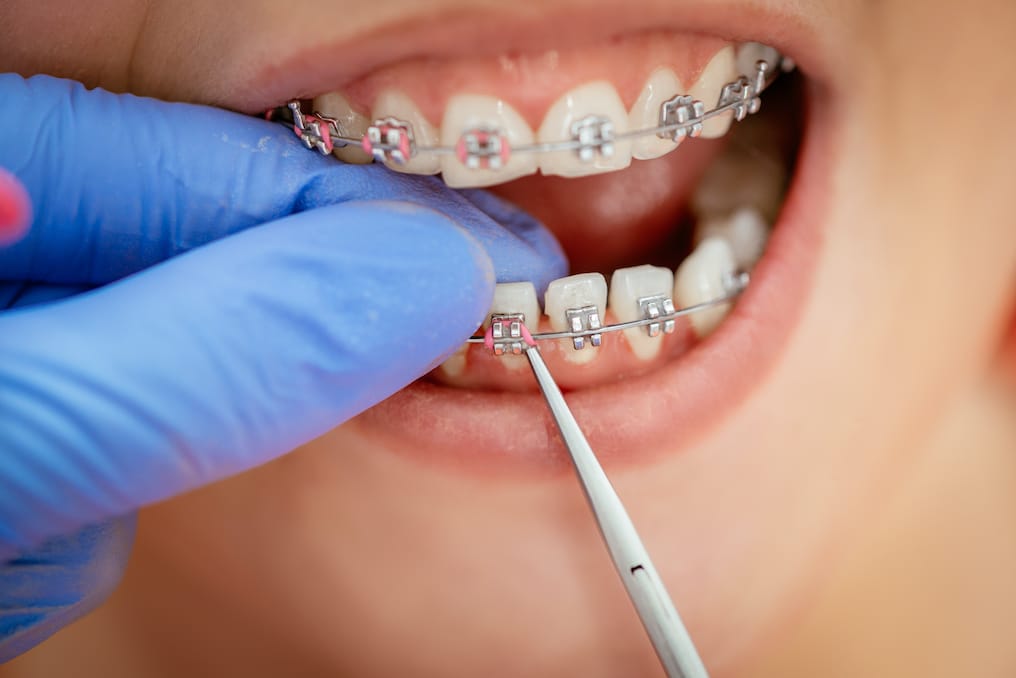
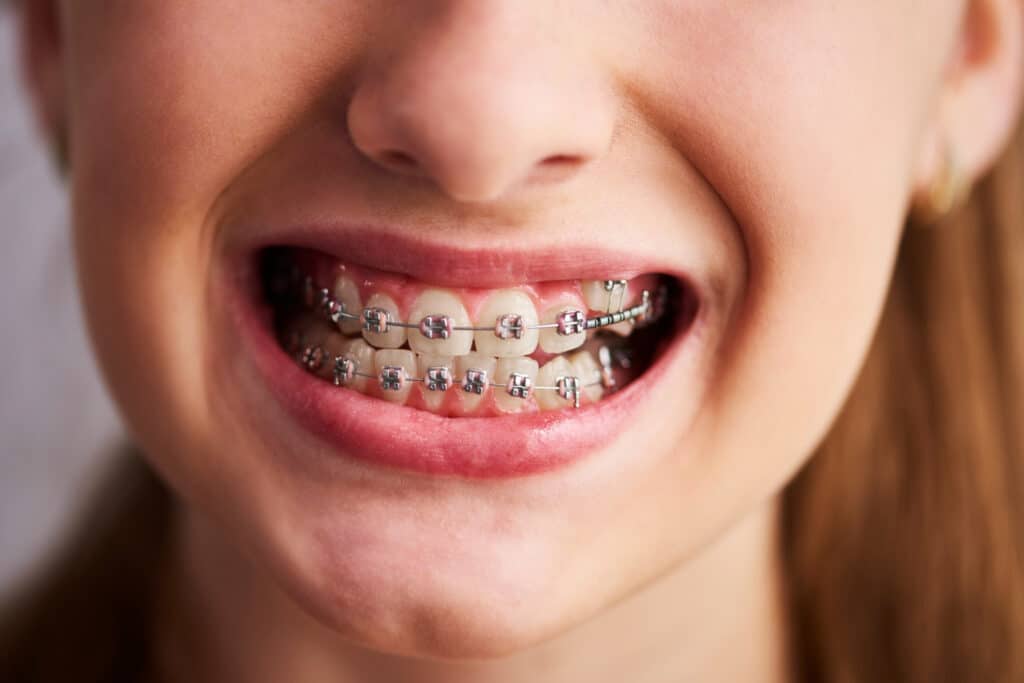
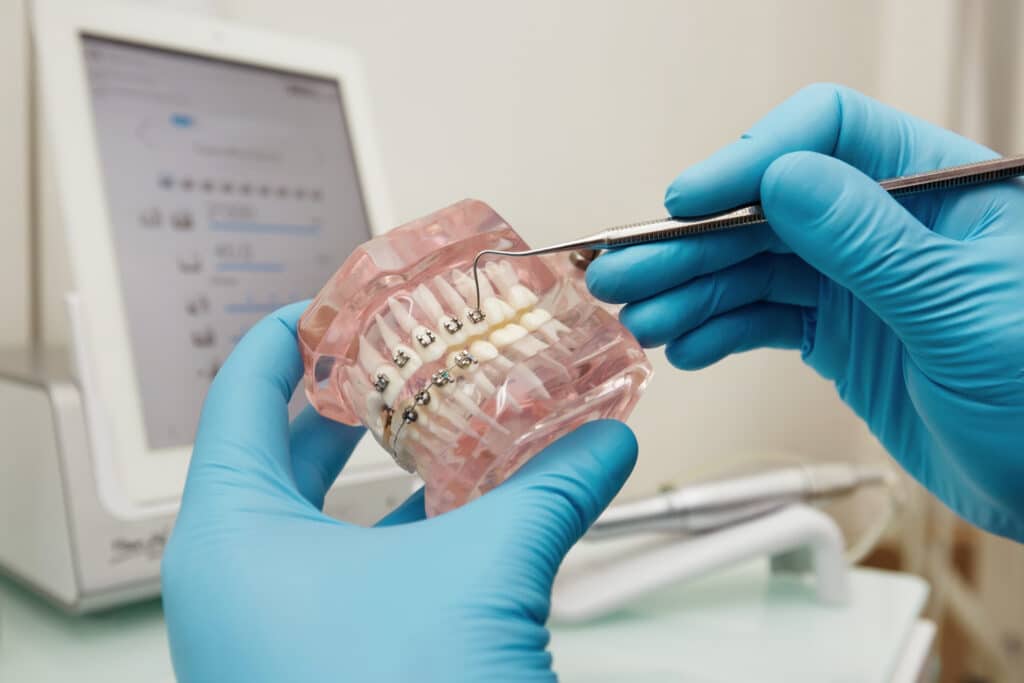
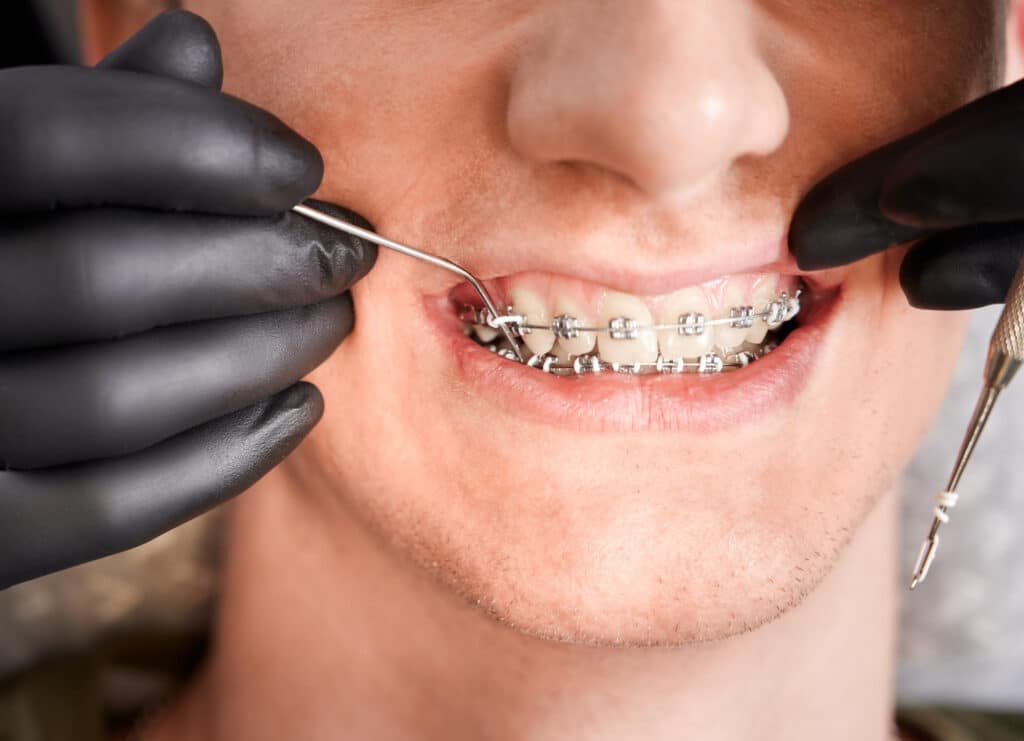
When considering orthodontic treatment, it's essential to understand the various types of dental braces available. Traditional metal braces, ceramic braces, lingual braces, and clear aligners each offer unique benefits and are suited for different patient needs and preferences.
For example, traditional metal braces are the most common and are known for their effectiveness in correcting a wide range of dental issues. Ceramic braces blend in with the teeth for a more discreet option, while lingual braces are placed on the back of the teeth, making them virtually invisible. Clear aligners, such as Invisalign, provide a removable and comfortable alternative for those seeking a less noticeable treatment.
Managing Oral Hygiene with Braces
Maintaining proper oral hygiene is crucial when you have braces, as food particles can easily get trapped in the brackets and wires. Patients are encouraged to adopt a more rigorous dental care routine, including brushing after every meal and using special cleaning tools designed for braces.
Using an interdental brush or floss threader can help clean between the brackets, while an antibacterial mouthwash can reduce plaque buildup and keep the gums healthy. Regular visits to the orthodontist for adjustments and cleanings are also essential to ensure the braces are functioning as intended and to monitor oral health.
Cost of Braces: What to Expect
The cost of braces can vary significantly based on several factors, including the type of braces chosen, the complexity of the dental issues being addressed, and the length of treatment. On average, patients can expect to pay between $3,000 and $7,000 for orthodontic treatment.
Many dental insurance plans cover a portion of the cost, and orthodontists often offer payment plans to help make treatment more affordable. It's important for patients to discuss all financial options with their orthodontist to find a solution that fits their budget.
Post-Treatment Care: Retainers and Beyond
After completing orthodontic treatment, wearing a retainer is crucial to ensure the teeth remain in their new positions. Retainers help prevent relapse and maintain the results achieved through braces. Orthodontists typically provide guidelines on how long and how often to wear the retainer.
In addition to wearing retainers, patients should continue to practice good oral hygiene and schedule regular dental check-ups to monitor their dental health. This ongoing care helps ensure that the smile remains healthy and beautiful long after the braces are removed.
Understanding the Different Types of Dental Braces
When considering orthodontic treatment, it's essential to understand the various types of dental braces available. Traditional metal braces, ceramic braces, lingual braces, and clear aligners each offer unique benefits and are suited for different patient needs and preferences.
For example, traditional metal braces are the most common and are known for their effectiveness in correcting a wide range of dental issues. Ceramic braces blend in with the teeth for a more discreet option, while lingual braces are placed on the back of the teeth, making them virtually invisible. Clear aligners, such as Invisalign, provide a removable and comfortable alternative for those seeking a less noticeable treatment.
Managing Oral Hygiene with Braces
Maintaining proper oral hygiene is crucial when you have braces, as food particles can easily get trapped in the brackets and wires. Patients are encouraged to adopt a more rigorous dental care routine, including brushing after every meal and using special cleaning tools designed for braces.
Using an interdental brush or floss threader can help clean between the brackets, while an antibacterial mouthwash can reduce plaque buildup and keep the gums healthy. Regular visits to the orthodontist for adjustments and cleanings are also essential to ensure the braces are functioning as intended and to monitor oral health.
Cost of Braces: What to Expect
The cost of braces can vary significantly based on several factors, including the type of braces chosen, the complexity of the dental issues being addressed, and the length of treatment. On average, patients can expect to pay between $3,000 and $7,000 for orthodontic treatment.
Many dental insurance plans cover a portion of the cost, and orthodontists often offer payment plans to help make treatment more affordable. It's important for patients to discuss all financial options with their orthodontist to find a solution that fits their budget.
Post-Treatment Care: Retainers and Beyond
After completing orthodontic treatment, wearing a retainer is crucial to ensure the teeth remain in their new positions. Retainers help prevent relapse and maintain the results achieved through braces. Orthodontists typically provide guidelines on how long and how often to wear the retainer.
In addition to wearing retainers, patients should continue to practice good oral hygiene and schedule regular dental check-ups to monitor their dental health. This ongoing care helps ensure that the smile remains healthy and beautiful long after the braces are removed.



 (804) 747-0137