Common Myths About Orthodontics Debunked
Many people hold misconceptions about orthodontic treatments, leading to unnecessary fears and hesitations. Common myths include the belief that braces are only for children or that they are always painful. In reality, orthodontic options like clear aligners can be suitable for adults, and advancements in technology have made treatments more comfortable than ever.
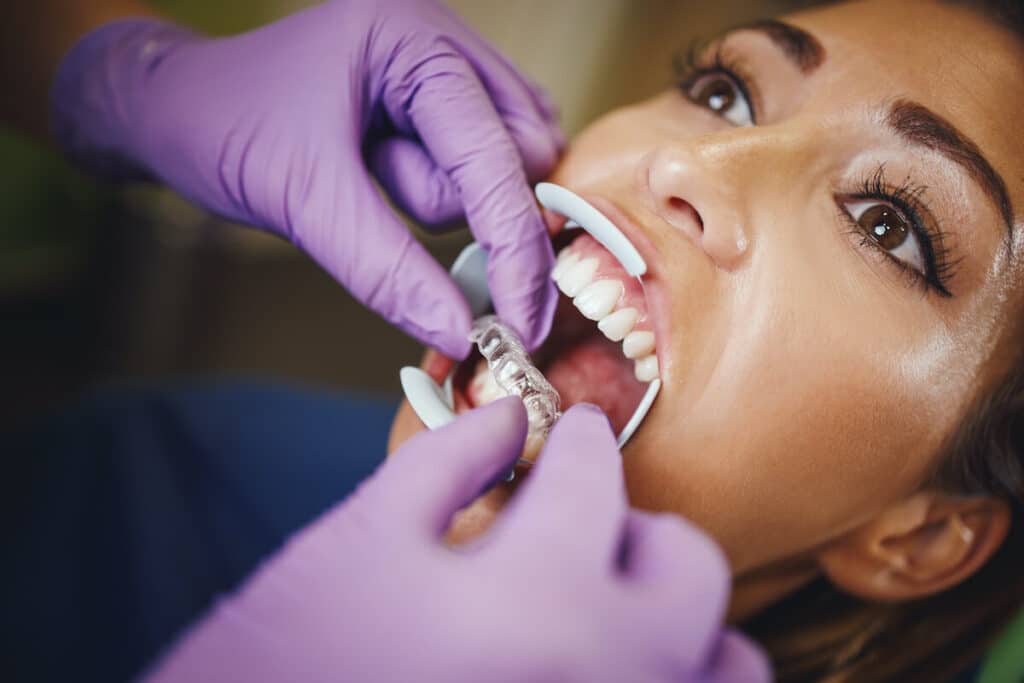
Understanding the truth behind these myths can empower patients to make informed decisions about their orthodontic care. For instance, while traditional braces are indeed effective, options like Invisalign offer a discreet alternative that many adults prefer, proving that orthodontics is for everyone, regardless of age.
Tips for Maintaining Oral Hygiene with Braces
Maintaining oral hygiene is crucial when undergoing orthodontic treatment, as braces can trap food particles and plaque. Patients should adopt a thorough cleaning routine that includes brushing after every meal and using specialized tools like interdental brushes and floss threaders designed for braces.
Regular visits to the orthodontist for adjustments and cleanings are also essential. Additionally, using mouthwash can help reduce plaque buildup and keep breath fresh. Educating patients on effective hygiene practices can significantly enhance their treatment experience and outcomes.
Understanding Orthodontic Treatment Duration
The duration of orthodontic treatment varies based on individual needs and the complexity of the case. On average, patients can expect to wear braces for about 18 to 24 months, but this timeline can differ significantly depending on factors such as age, the severity of misalignment, and compliance with treatment recommendations.
It's essential for patients to have realistic expectations regarding their treatment timeline. Regular consultations with their orthodontist can provide updates on progress and any adjustments needed to ensure optimal results within the expected timeframe.
Post-Treatment Care: Retainers and Beyond
After completing orthodontic treatment, wearing a retainer is crucial to maintaining the new position of teeth. Retainers help prevent teeth from shifting back to their original alignment, and orthodontists typically recommend wearing them full-time initially, transitioning to nighttime use over time.
Patients should be aware of the importance of proper retainer care, including cleaning and storage. Regular follow-ups with the orthodontist will ensure that the retainer fits properly and that the teeth remain aligned, supporting the long-term success of the orthodontic treatment.
Common Myths About Orthodontics Debunked
Many people hold misconceptions about orthodontic treatments, leading to unnecessary fears and hesitations. Common myths include the belief that braces are only for children or that they are always painful. In reality, orthodontic options like clear aligners can be suitable for adults, and advancements in technology have made treatments more comfortable than ever.
Understanding the truth behind these myths can empower patients to make informed decisions about their orthodontic care. For instance, while traditional braces are indeed effective, options like Invisalign offer a discreet alternative that many adults prefer, proving that orthodontics is for everyone, regardless of age.
Tips for Maintaining Oral Hygiene with Braces
Maintaining oral hygiene is crucial when undergoing orthodontic treatment, as braces can trap food particles and plaque. Patients should adopt a thorough cleaning routine that includes brushing after every meal and using specialized tools like interdental brushes and floss threaders designed for braces.
Regular visits to the orthodontist for adjustments and cleanings are also essential. Additionally, using mouthwash can help reduce plaque buildup and keep breath fresh. Educating patients on effective hygiene practices can significantly enhance their treatment experience and outcomes.
Understanding Orthodontic Treatment Duration
The duration of orthodontic treatment varies based on individual needs and the complexity of the case. On average, patients can expect to wear braces for about 18 to 24 months, but this timeline can differ significantly depending on factors such as age, the severity of misalignment, and compliance with treatment recommendations.
It's essential for patients to have realistic expectations regarding their treatment timeline. Regular consultations with their orthodontist can provide updates on progress and any adjustments needed to ensure optimal results within the expected timeframe.
Post-Treatment Care: Retainers and Beyond
After completing orthodontic treatment, wearing a retainer is crucial to maintaining the new position of teeth. Retainers help prevent teeth from shifting back to their original alignment, and orthodontists typically recommend wearing them full-time initially, transitioning to nighttime use over time.
Patients should be aware of the importance of proper retainer care, including cleaning and storage. Regular follow-ups with the orthodontist will ensure that the retainer fits properly and that the teeth remain aligned, supporting the long-term success of the orthodontic treatment.






 (804) 747-0137