Understanding the Cost of Orthodontic Treatment: What to Expect
When considering orthodontic treatment, understanding the associated costs is crucial for families. Many factors influence the price of braces or Invisalign, including the complexity of the case, the length of treatment, and the type of appliances used. This section aims to clarify what patients can expect in terms of financial investment.
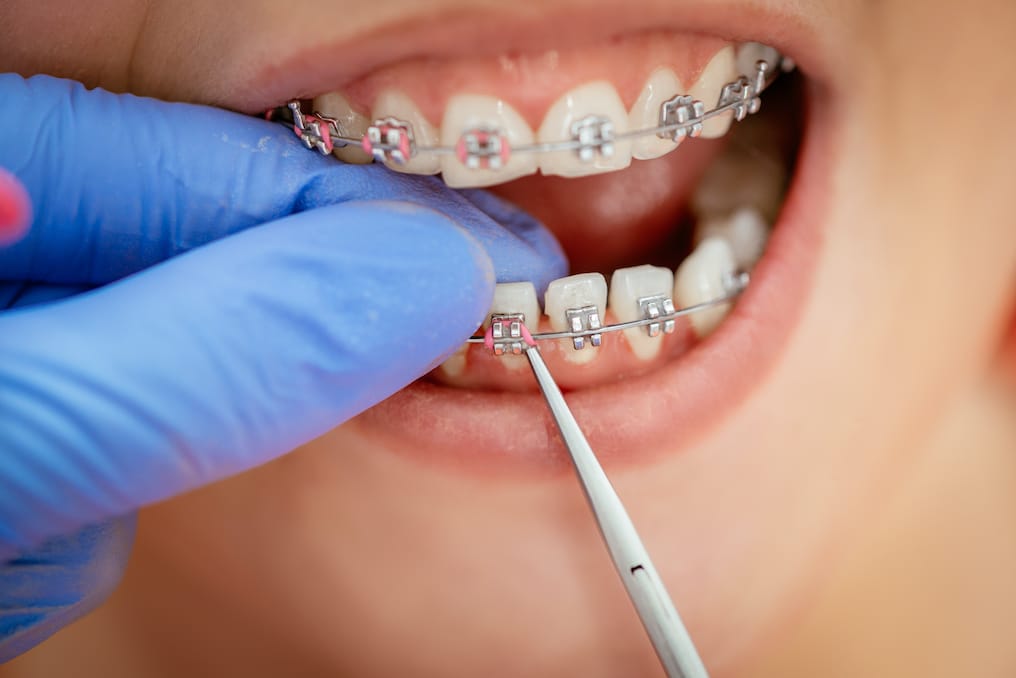
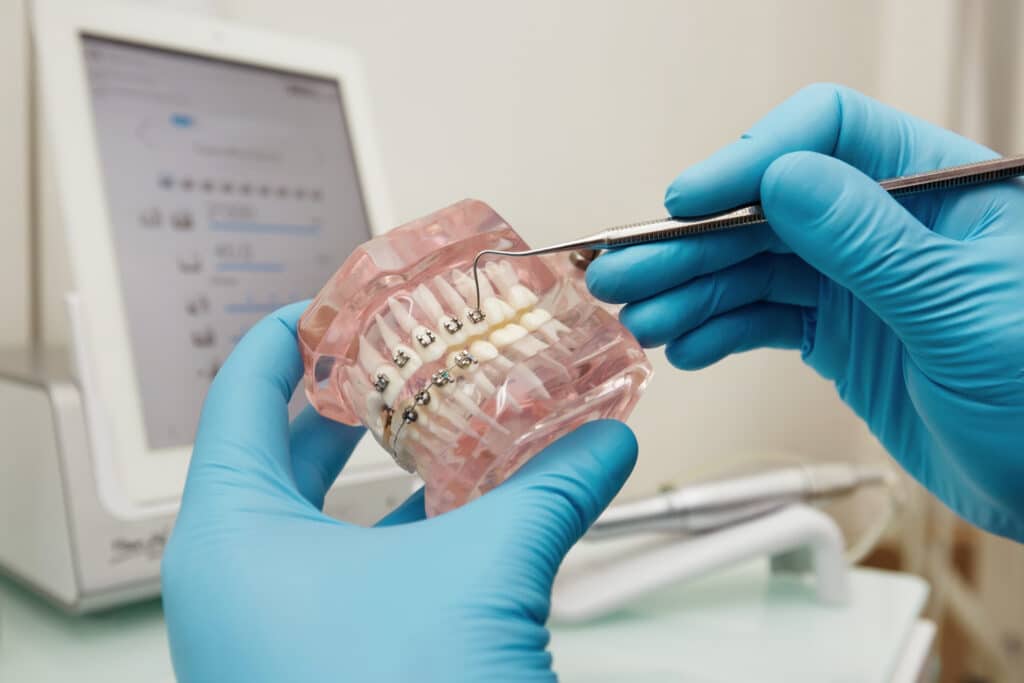
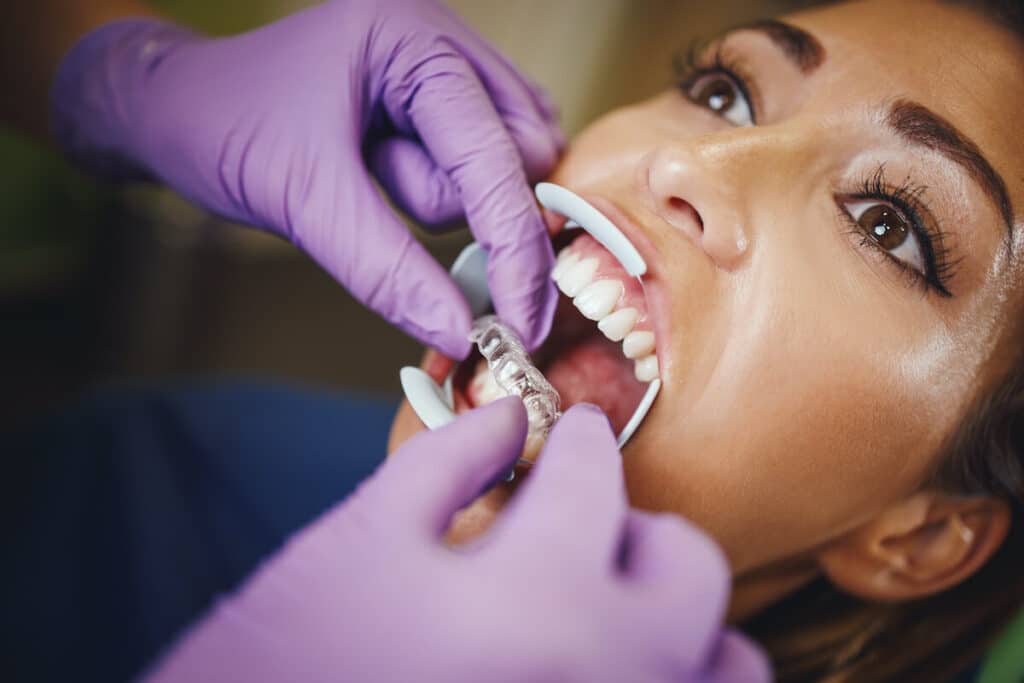
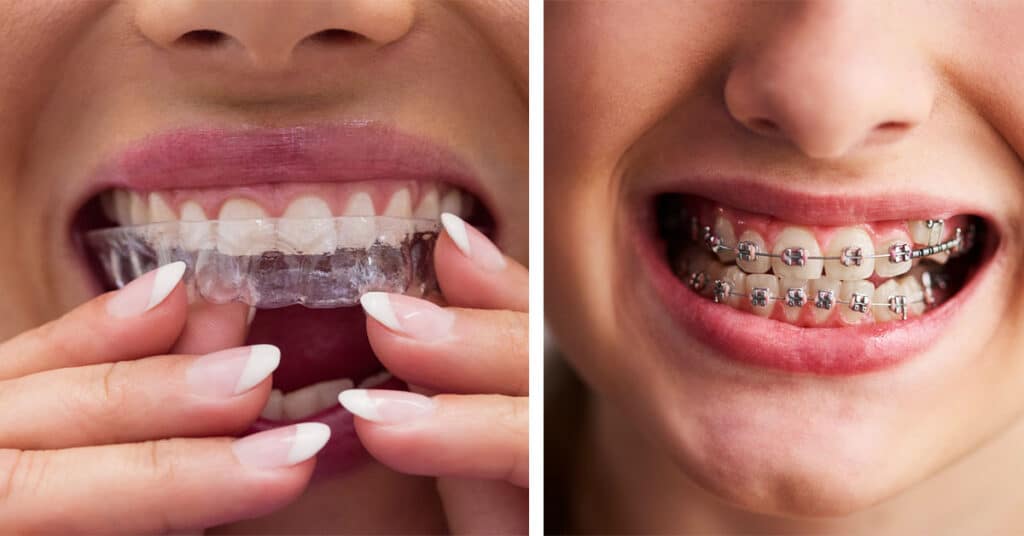
For instance, traditional metal braces typically range from $3,000 to $7,000, while Invisalign can be slightly more expensive due to its advanced technology. Additionally, many orthodontic practices offer flexible payment plans and financing options to help manage these costs, making treatment more accessible for families.
Common Myths About Orthodontics Debunked
Orthodontics is often surrounded by misconceptions that can deter individuals from seeking necessary treatment. This section addresses common myths, such as the belief that braces are only for children or that orthodontic treatment is purely cosmetic. By debunking these myths, we aim to encourage more patients to consider their orthodontic options.
For example, many adults are successfully undergoing orthodontic treatment today, and the benefits extend beyond aesthetics. Proper alignment of teeth can lead to improved oral health, better function, and even enhanced self-esteem, making treatment beneficial at any age.
Maintaining Oral Hygiene During Orthodontic Treatment
Good oral hygiene is essential during orthodontic treatment to prevent complications such as cavities or gum disease. This section provides practical tips and techniques for maintaining oral health while wearing braces or aligners. It's crucial for patients to adapt their hygiene routine to accommodate their orthodontic appliances.
For instance, using a soft-bristled toothbrush and special cleaning tools designed for braces can help remove food particles effectively. Additionally, patients should be encouraged to continue regular dental check-ups to monitor their oral health throughout the treatment process.
Post-Treatment Care: Retainers and Beyond
After completing orthodontic treatment, the journey doesn't end. This section emphasizes the importance of wearing retainers to maintain the results achieved. Retainers play a vital role in ensuring that teeth remain in their new positions, preventing them from shifting back over time.
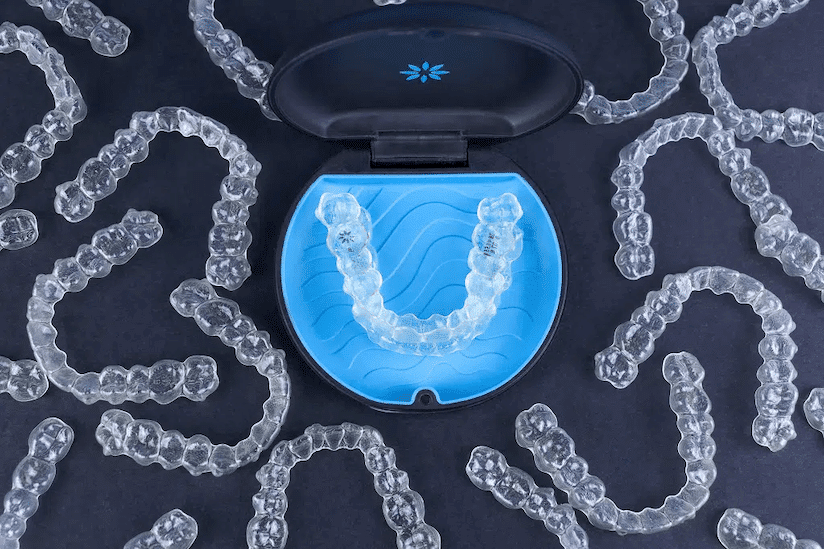
Patients should be informed about the different types of retainers available, such as fixed or removable options, and the recommended duration for wearing them. Regular follow-ups with the orthodontist can also help monitor retention and address any concerns that may arise post-treatment.
Understanding the Cost of Orthodontic Treatment: What to Expect
When considering orthodontic treatment, understanding the associated costs is crucial for families. Many factors influence the price of braces or Invisalign, including the complexity of the case, the length of treatment, and the type of appliances used. This section aims to clarify what patients can expect in terms of financial investment.
For instance, traditional metal braces typically range from $3,000 to $7,000, while Invisalign can be slightly more expensive due to its advanced technology. Additionally, many orthodontic practices offer flexible payment plans and financing options to help manage these costs, making treatment more accessible for families.
Common Myths About Orthodontics Debunked
Orthodontics is often surrounded by misconceptions that can deter individuals from seeking necessary treatment. This section addresses common myths, such as the belief that braces are only for children or that orthodontic treatment is purely cosmetic. By debunking these myths, we aim to encourage more patients to consider their orthodontic options.
For example, many adults are successfully undergoing orthodontic treatment today, and the benefits extend beyond aesthetics. Proper alignment of teeth can lead to improved oral health, better function, and even enhanced self-esteem, making treatment beneficial at any age.
Maintaining Oral Hygiene During Orthodontic Treatment
Good oral hygiene is essential during orthodontic treatment to prevent complications such as cavities or gum disease. This section provides practical tips and techniques for maintaining oral health while wearing braces or aligners. It's crucial for patients to adapt their hygiene routine to accommodate their orthodontic appliances.
For instance, using a soft-bristled toothbrush and special cleaning tools designed for braces can help remove food particles effectively. Additionally, patients should be encouraged to continue regular dental check-ups to monitor their oral health throughout the treatment process.
Post-Treatment Care: Retainers and Beyond
After completing orthodontic treatment, the journey doesn't end. This section emphasizes the importance of wearing retainers to maintain the results achieved. Retainers play a vital role in ensuring that teeth remain in their new positions, preventing them from shifting back over time.
Patients should be informed about the different types of retainers available, such as fixed or removable options, and the recommended duration for wearing them. Regular follow-ups with the orthodontist can also help monitor retention and address any concerns that may arise post-treatment.



 (804) 747-0137